
Situational Awareness
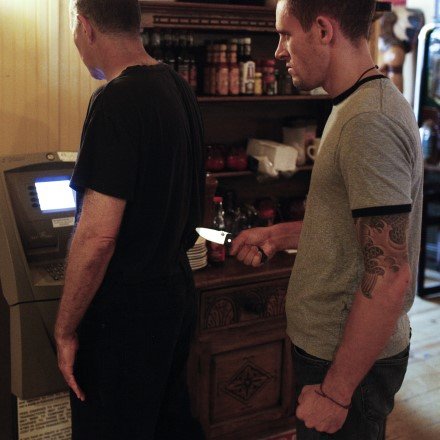 Situational awareness is one of the most important elements of effective self-defense, often determining whether an individual avoids danger altogether or finds themselves caught
in a violent confrontation. At its core, situational awareness is the ability to perceive and interpret what is happening around you, to recognize potential threats before they
manifest, and to make decisions that reduce your vulnerability. Unlike physical techniques, which can take years to master and still depend on strength, speed, and opportunity,
situational awareness is an accessible skill that anyone can develop and refine. It is the first line of defense, because it allows people to avoid being selected as victims
in the first place.
Situational awareness is one of the most important elements of effective self-defense, often determining whether an individual avoids danger altogether or finds themselves caught
in a violent confrontation. At its core, situational awareness is the ability to perceive and interpret what is happening around you, to recognize potential threats before they
manifest, and to make decisions that reduce your vulnerability. Unlike physical techniques, which can take years to master and still depend on strength, speed, and opportunity,
situational awareness is an accessible skill that anyone can develop and refine. It is the first line of defense, because it allows people to avoid being selected as victims
in the first place.
Criminals and aggressors rarely choose targets at random. They assess the environment and the people within it, looking for signs of weakness, distraction, or lack of attention. Someone absorbed in their phone, lost in thought, or obviously unfamiliar with their surroundings is more attractive to a would-be offender than someone who appears confident, alert, and purposeful. In this way, situational awareness is both preventive and protective. By scanning the environment, noting exit routes, reading the behavior of those nearby, and projecting awareness through body language, a person makes themselves a less appealing target. Even subtle differences in posture and eye contact can communicate to an offender that they are unlikely to succeed without resistance or exposure.
Situational awareness does not mean living in a constant state of paranoia. Instead, it is about maintaining a calm, balanced level of alertness that psychologists sometimes describe as the “yellow zone” in Jeff Cooper’s color code of awareness. This is a state where a person is neither relaxed to the point of oblivion nor so tense that they are consumed by fear. Rather, it is a condition of relaxed vigilance, where the environment is monitored naturally and efficiently. By cultivating habits of observation—such as taking note of who is around when entering a space, keeping track of exits, and noticing changes in mood or atmosphere—an individual strengthens their ability to detect anomalies that may signal danger.
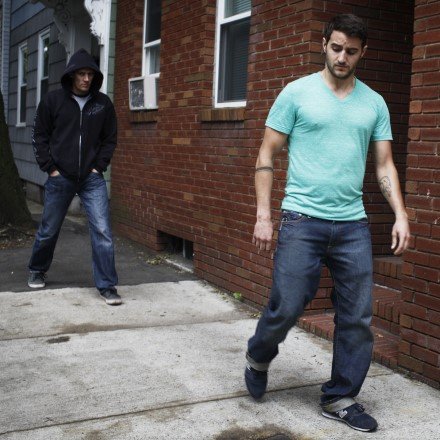 An important part of situational awareness is understanding pre-incident indicators. Violence often follows a predictable sequence, and aggressors frequently display behaviors that
reveal their intent. These can include someone loitering with no clear purpose, watching people closely, closing distance without explanation, or using pretexts to engage in conversation.
Recognizing such behaviors gives a person time to act preemptively, whether that means leaving the area, repositioning to a safer location, or preparing to de-escalate a brewing
confrontation. The earlier these cues are noticed, the greater the chance of avoiding escalation.
An important part of situational awareness is understanding pre-incident indicators. Violence often follows a predictable sequence, and aggressors frequently display behaviors that
reveal their intent. These can include someone loitering with no clear purpose, watching people closely, closing distance without explanation, or using pretexts to engage in conversation.
Recognizing such behaviors gives a person time to act preemptively, whether that means leaving the area, repositioning to a safer location, or preparing to de-escalate a brewing
confrontation. The earlier these cues are noticed, the greater the chance of avoiding escalation.
Another aspect is environmental awareness. Certain spaces carry more risk than others, and situational awareness helps identify vulnerabilities within a setting. Poorly lit areas, narrow passages, and locations with limited exits increase danger. Conversely, well-lit spaces, crowds, and proximity to security or surveillance reduce it. Someone who understands how environments influence opportunity for crime can position themselves more safely, making conscious choices about where they walk, where they stand, and how they navigate public spaces. Small decisions, such as avoiding being cornered or trapped, can have a significant impact on outcomes.
Situational awareness also extends to social dynamics. Many confrontations are preceded by verbal interactions where an aggressor tests boundaries or attempts to provoke a reaction. Being able to read tone, body language, and the intent behind words allows an individual to respond strategically rather than emotionally. For example, recognizing that an insult is an attempt to lure someone into a fight helps them disengage rather than retaliate. Similarly, noticing when a group dynamic shifts - when bystanders suddenly disperse, or when a crowd grows agitated - can alert someone to developing risks that may not yet be obvious.
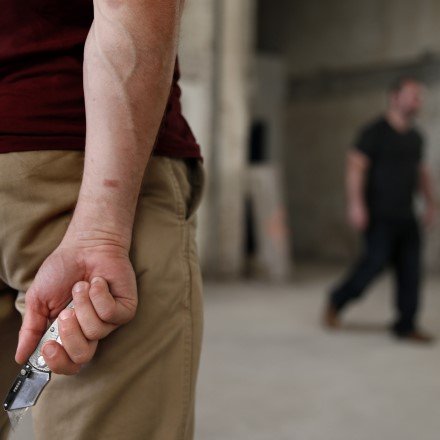 Practicing situational awareness requires training both attention and perception. In modern life, distractions are constant, and one of the greatest vulnerabilities comes from self-imposed
inattention, especially through mobile phones. People who walk while texting or with headphones blaring often fail to notice what is happening around them until it is too late. Developing
the habit of periodically scanning, lifting the head, and observing the environment counters this vulnerability. Awareness also involves memory and mental mapping—recalling where exits are
located, noting potential hazards, and being able to retrace steps if needed. This type of active observation transforms passive presence into engaged readiness.
Practicing situational awareness requires training both attention and perception. In modern life, distractions are constant, and one of the greatest vulnerabilities comes from self-imposed
inattention, especially through mobile phones. People who walk while texting or with headphones blaring often fail to notice what is happening around them until it is too late. Developing
the habit of periodically scanning, lifting the head, and observing the environment counters this vulnerability. Awareness also involves memory and mental mapping—recalling where exits are
located, noting potential hazards, and being able to retrace steps if needed. This type of active observation transforms passive presence into engaged readiness.
Importantly, situational awareness is not just about avoiding strangers in dark alleys. Many threats come from familiar environments, workplaces, or people known to the individual. In these contexts, awareness means recognizing changes in behavior, shifts in mood, or early signs of volatility. For example, in domestic or workplace settings, paying attention to stress, anger, or escalating arguments can give early warning of potential violence. This allows for intervention, de-escalation, or exit strategies before the situation turns physical.
The psychological benefits of situational awareness are also significant. People who cultivate it feel more in control of their safety and less anxious in public spaces. This confidence not only reduces fear but also further discourages victimization. Offenders often look for cues of fear and hesitation. Someone who moves with certainty, makes eye contact, and demonstrates awareness projects a harder target. Thus, situational awareness creates a positive feedback loop: being more aware leads to greater confidence, and greater confidence further reduces risk.
Situational awareness supports and enhances every other aspect of self-defense. Physical skills, de-escalation strategies, and escape plans are only useful if there is time to apply them. Awareness provides that time. It lengthens the decision-making window between noticing a threat and needing to respond. Without awareness, individuals are forced into reactive positions, where their options are limited and their chances of success are reduced. With awareness, they can choose to disengage early, position themselves advantageously, or prepare a measured response.
In the end, the importance of situational awareness lies in its ability to prevent violence before it happens. It empowers individuals to manage their safety without needing to rely on physical force, which always carries risks of injury, legal consequences, and escalation. It makes environments feel less threatening because potential dangers are recognized and managed rather than ignored. And it cultivates a mindset of preparedness that can be carried into every aspect of daily life. Situational awareness is not paranoia, nor is it a mystical gift. It is a practical skill, grounded in observation, interpretation, and action. For anyone serious about self-defense, it is the foundation upon which everything else is built.